
Your Cart is empty
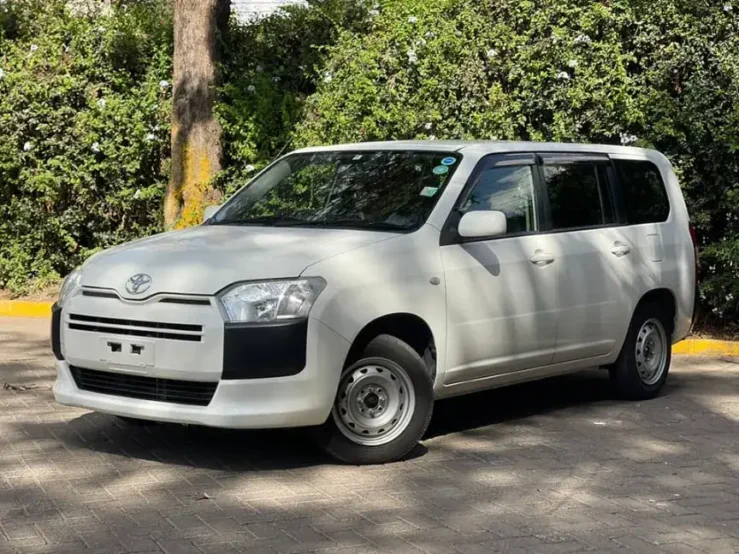
2023 Toyota Probox Review For The New Zealand Buyer
The Toyota Probox XP160 represents the ultimate no-nonsense compact wagon, built to deliver practicality, reliability, and efficiency for both private and commercial use. Introduced in 2014 and still in production today, the Probox continues to serve as one of Toyota’s most trusted workhorses. Competing with models like the Nissan AD Van and Honda Shuttle, it is especially favored by small businesses, delivery services, and taxi operators, thanks to its rugged design, low running costs, and Toyota’s legendary dependability.
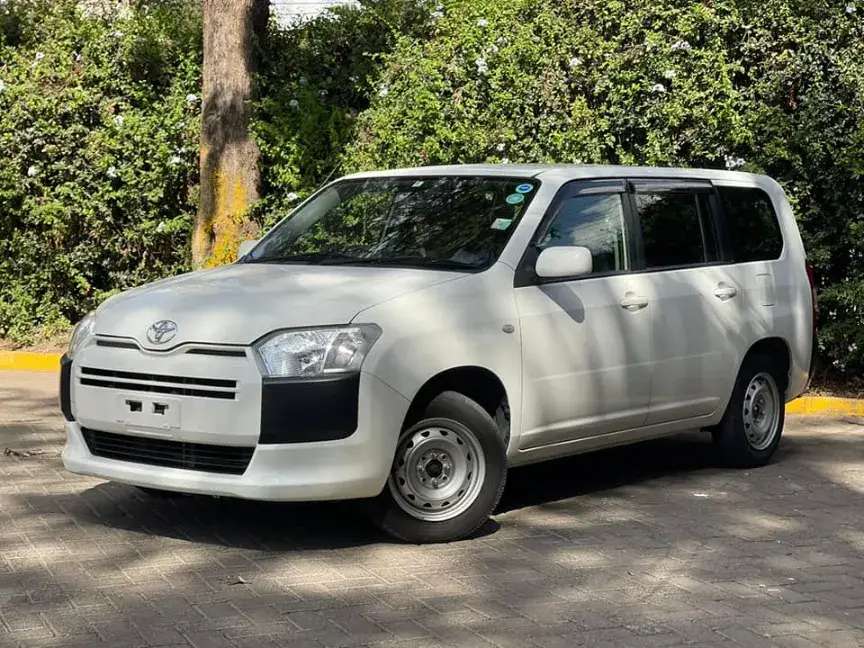
With its tall, box-shaped body, the Probox maximizes interior room and cargo flexibility. Available with fuel-efficient petrol and hybrid powertrains, it offers excellent economy for both city commuting and long-distance driving. Built on Toyota’s compact platform, it combines predictable handling, stable ride quality, and straightforward maintenance. For New Zealand buyers looking for a durable wagon that delivers value without unnecessary extras, the Probox remains one of the best options.
If you are considering buying the Toyota Probox, we have prepared a separate Buyer’s Guide with detailed insights on what to look out for when purchasing a used one and the common issues to be aware of. Click here to purchase the Buyer’s Guide.
Engine Options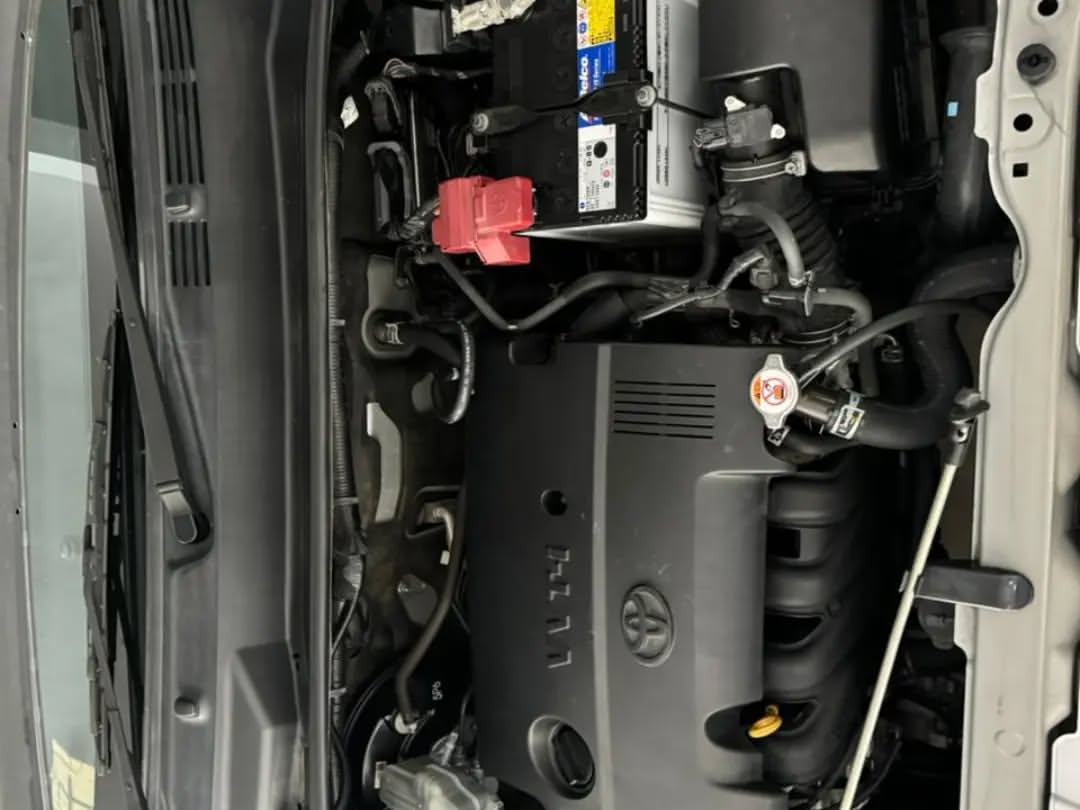
The Toyota Probox XP160 offers the following powertrains:
-
1NZ-FE 1.5L Petrol – A durable, naturally aspirated four-cylinder engine used from 2014–2018, delivering dependable power for city and highway use.
-
2NR-FKE 1.5L Petrol – Introduced from 2018 onward, featuring Dual VVT-i and Efficient Dual Cycle technology for improved fuel economy and smoother driving.
-
1NZ-FXE 1.5L Hybrid Petrol + Electric Motor – A hybrid system from the Toyota Aqua, combining strong efficiency with quiet, smooth operation. Select AWD versions are available in Japan, some reaching New Zealand as imports.
Transmission Options
The Probox is offered with a choice of 5-speed manual, 4-speed automatic, and CVT transmissions. The CVT provides seamless efficiency and is the most common choice in later models, while manual and automatic options remain reliable and straightforward, particularly in earlier imports.
Toyota Probox Grades
-
DX – Entry-level grade, built for maximum durability and affordability. Popular with fleets and businesses.
-
DX Comfort Package – Adds practical upgrades like power windows, central locking, and improved usability for drivers.
-
GL – Top specification, offering better interior trim, optional alloy wheels, Toyota Safety Sense C (in later models), and convenience features for mixed private and commercial use.
Toyota Probox Interior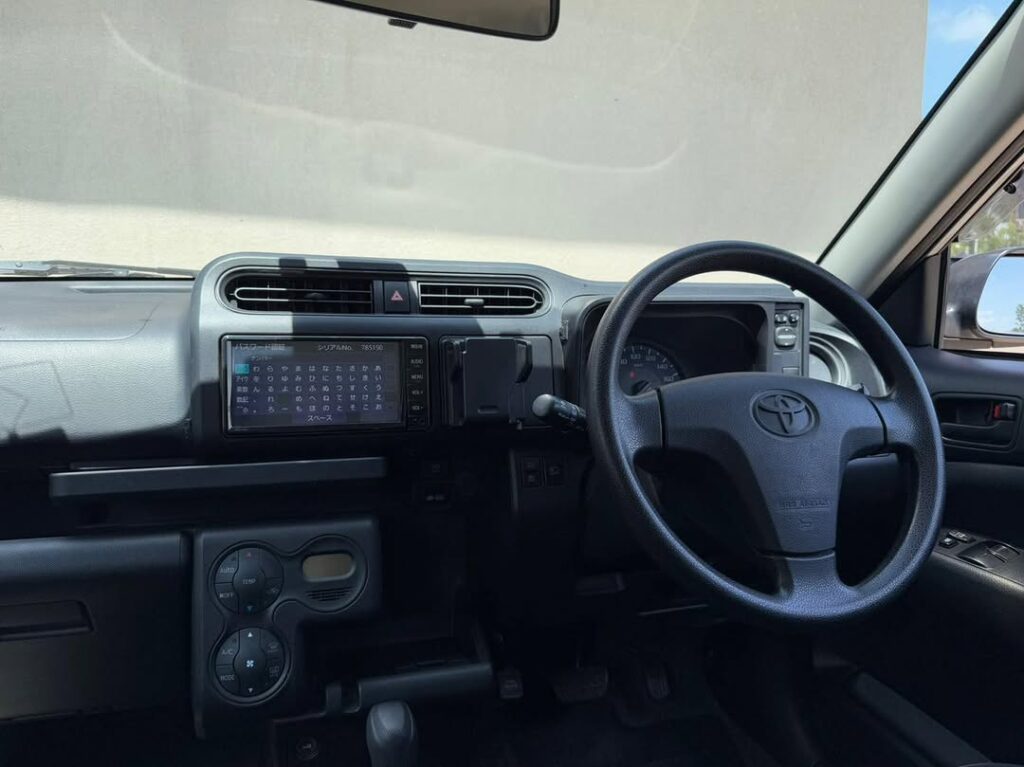
The Probox interior is built with a clear emphasis on durability and practicality. The dashboard layout is simple and driver-focused, with large dials and easy-to-use controls. Hard-wearing fabrics and plastics ensure longevity under heavy use, while higher trims introduce slightly more comfort features.
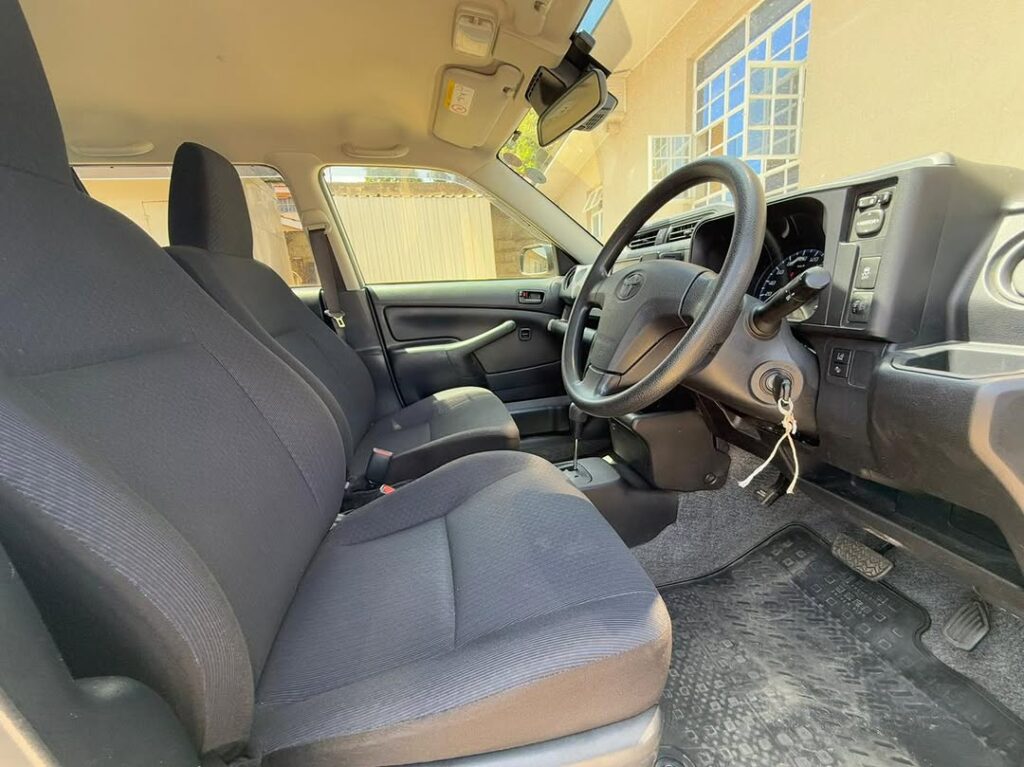
Front seats are supportive enough for daily driving, with good visibility and adjustable positioning for driver comfort. Rear seats are upright but spacious for a compact wagon, with generous headroom and adequate legroom.
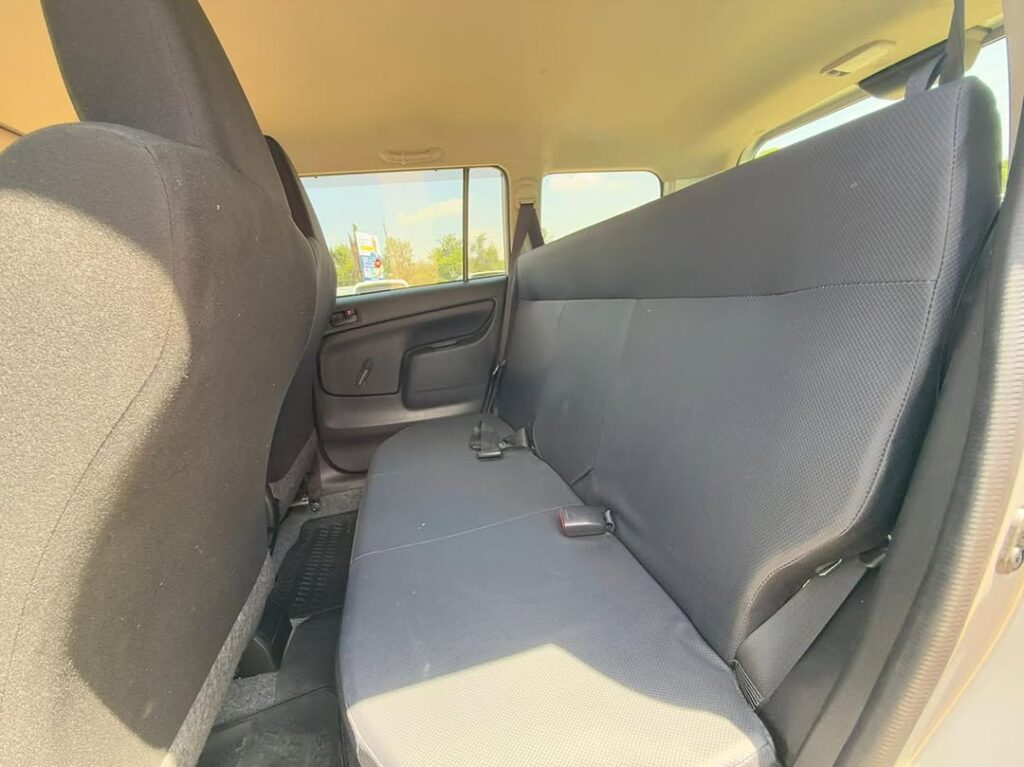 The 60/40 split-folding seats create a completely flat cargo floor, enhancing flexibility for bulky loads. Storage areas such as door bins, cup holders, and center trays keep the cabin functional. Hybrid trims also add USB connectivity and basic multimedia systems for modern convenience.
Toyota Probox Exterior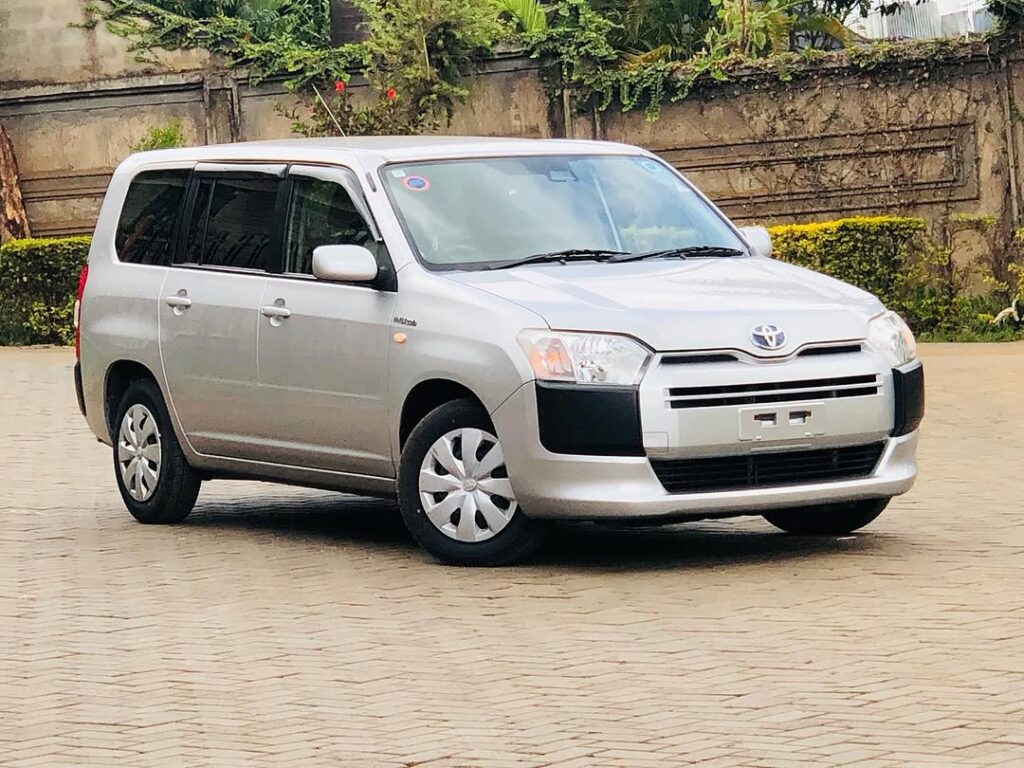
The exterior design emphasizes function over flair. The front end is clean, with a simple grille and rectangular headlights offering reliable visibility. The boxy silhouette, tall roofline, and wide-opening doors maximize cabin and cargo utility. Higher trims add alloy wheels and body-colored mirrors, giving a slightly more polished appearance.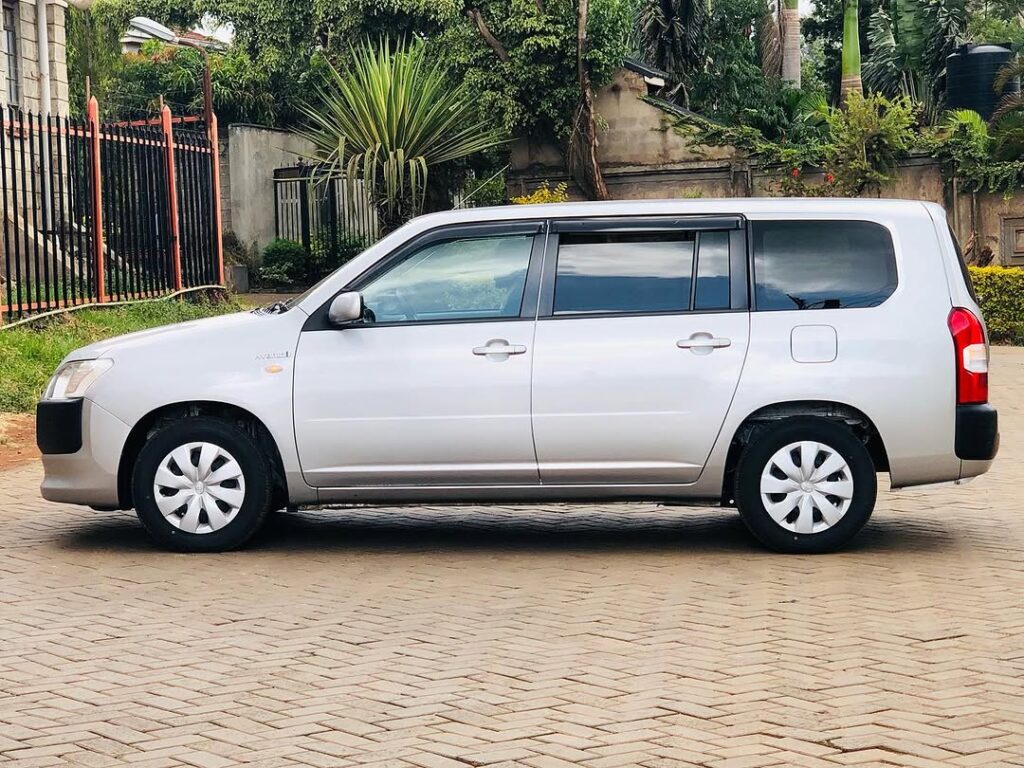
At the rear, the vertical tailgate and low loading sill make cargo handling effortless, while large taillights provide clear visibility. Its design is unpretentious yet perfectly aligned with the Probox’s mission: durability and usability.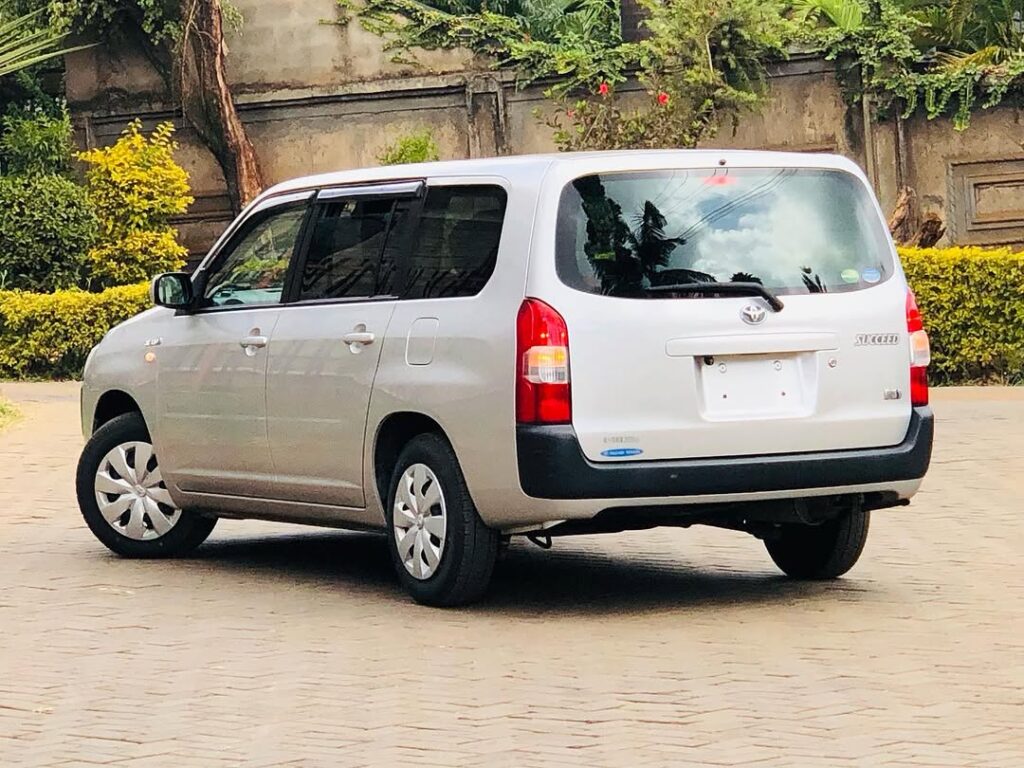
Toyota Probox Cargo Capacity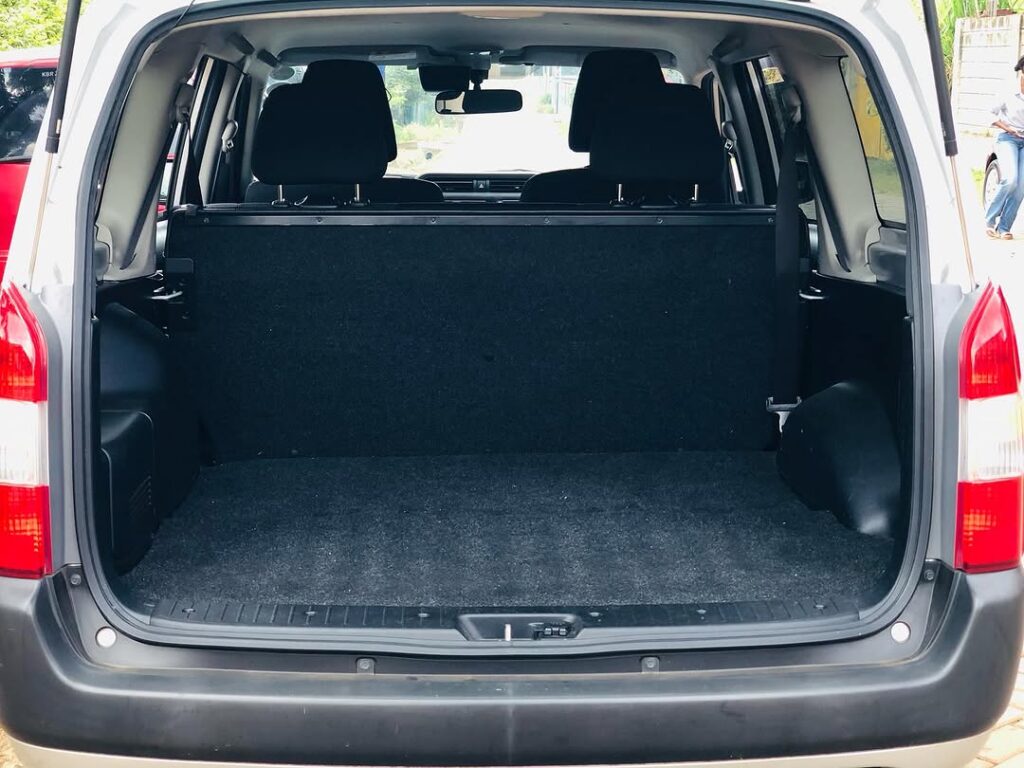
Cargo space is one of the Probox’s greatest strengths. With the rear seats in place, it offers ample room for everyday items, while folding the rear bench creates a flat load floor for bulkier goods. From delivery packages to work tools or weekend camping gear, the Probox is designed to adapt to both commercial and personal needs.
Toyota Probox Fuel Consumption
-
1NZ-FE Petrol (Manual/Auto): 13–15 km/L city, 16–18 km/L highway
-
2NR-FKE Petrol (CVT): 15–18 km/L city, 18–20 km/L highway
-
1NZ-FXE Hybrid: 25–27 km/L city, 20–22 km/L highway
Toyota Probox Fuel Tank Capacity
The Toyota Probox is fitted with a 42-litre fuel tank, balancing range and efficiency.
Toyota Probox Ground Clearance
With a ground clearance of 165–170 mm, the Probox handles New Zealand’s urban streets, regional roads, and light gravel tracks with ease.
Toyota Probox Performance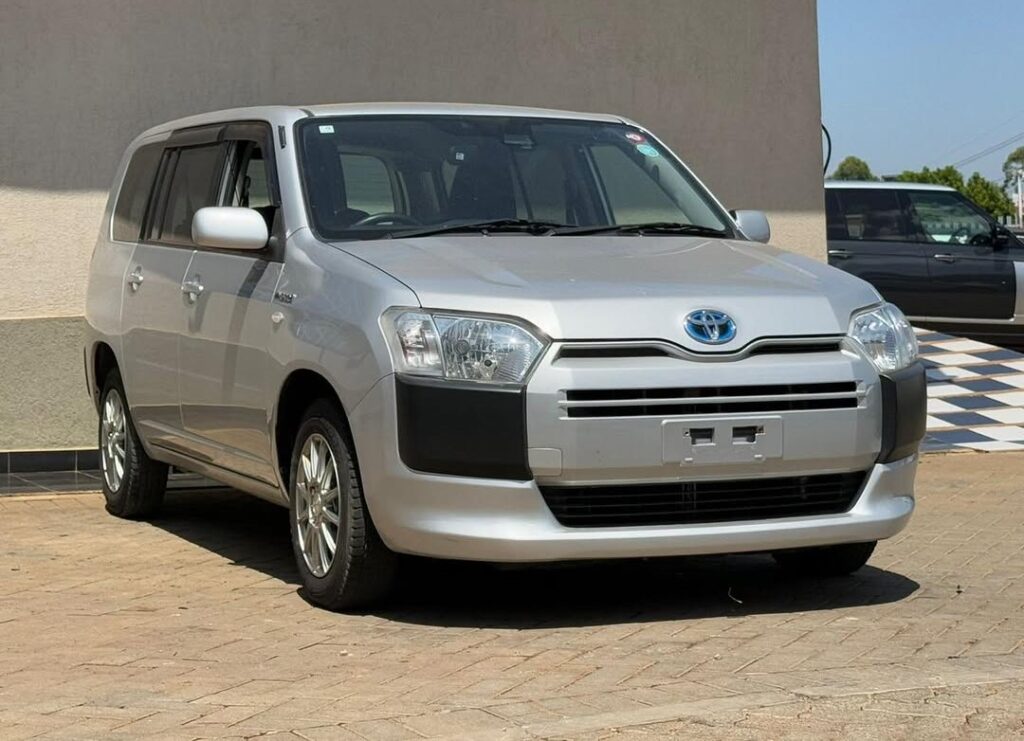
Performance is steady and predictable. The Probox is not designed for speed, but rather for consistent, reliable operation. Its suspension setup prioritizes stability and durability, while the compact width and light steering make it highly maneuverable in tight urban spaces. Hybrid models add whisper-quiet efficiency, and optional AWD (on some imports) improves traction on slippery or rural roads.
If you are considering buying the Toyota Probox, we have prepared a separate Buyer’s Guide with detailed insights on what to look out for when purchasing a used one and the common issues to be aware of. Click here to purchase the Buyer’s Guide.
Toyota Probox Reliability
The Probox continues Toyota’s tradition of rock-solid reliability. The 1NZ-FE and 2NR-FKE petrol engines are well-regarded for durability and ease of maintenance, while the hybrid system has proven reliable when serviced regularly. CVTs are dependable with proper maintenance, and Toyota’s global parts network ensures easy access to spares. This combination makes the Probox one of the lowest-maintenance wagons available in New Zealand.
Toyota Probox Maintenance Schedule
-
Every 10,000 km: Engine oil and filter replacement, basic vehicle inspection
-
Every 20,000 km: Cabin and air filter replacement, brake checks, tire rotation, CVT or hybrid system inspection
-
Long-term: Spark plugs, coolant, and suspension checks as per Toyota’s guidelines
Following Toyota’s recommended service intervals ensures optimal reliability and long service life.
Toyota Probox Competitors
-
Nissan AD Van
-
Honda Shuttle
-
Toyota Succeed
If you are looking to purchase the Toyota Probox in New Zealand, email us directly via info@newzealandmotors.com, and we will get back to you immediately.