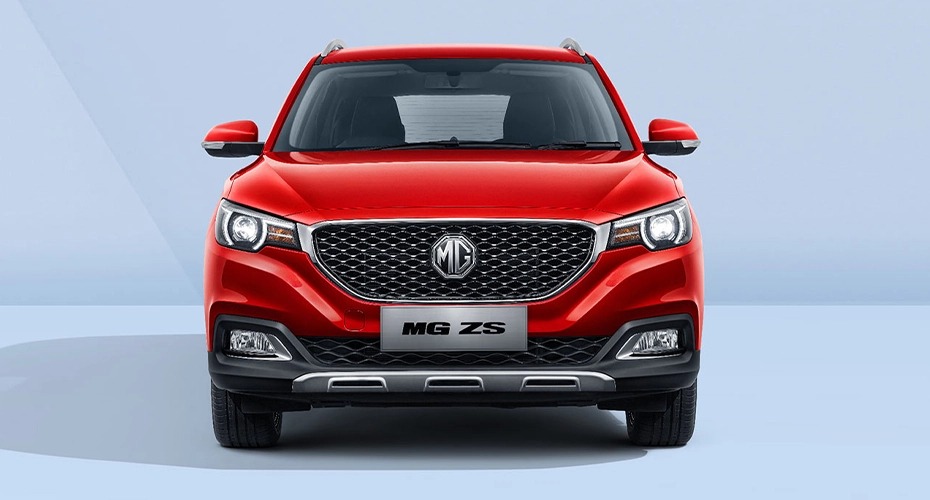
2017 MG ZS: Cylinder Misfire – OEM Repair Guide

A Cylinder Misfire on the 2017 MG ZS occurs when one or more cylinders fail to burn the air-fuel mixture correctly during the combustion cycle. The Engine Control Module (ECM) continuously monitors crankshaft speed variations to detect combustion irregularities. When repeated misfires are identified, the ECM stores one or more Diagnostic Trouble Codes (DTCs), such as P0300 (Random/Multiple Cylinder Misfire) or cylinder-specific codes including P0301, P0302, P0303, or P0304, and illuminates the Check Engine Light. A persistent misfire can reduce engine performance, increase emissions, damage the catalytic converter, and cause excessive fuel consumption. Because a misfire can originate from the ignition, fuel, air intake, engine mechanical, or electronic control systems, a systematic OEM diagnostic approach is essential for accurate fault isolation.

2017 MG ZS: Hard Starting Condition – OEM Repair Guide

A hard-starting condition on the 2017 MG ZS refers to a situation where the engine requires extended cranking or multiple attempts before it starts. Unlike a complete no-start condition, the engine eventually fires but may do so inconsistently or only after prolonged cranking.

The engine management system depends on the correct operation of the fuel delivery system, ignition system, air intake system, engine sensors, immobilizer, and Engine Control Module (ECM) to achieve a quick and reliable start. A fault affecting any of these systems can delay combustion and result in difficult starting, particularly during cold starts or after the vehicle has been parked for an extended period. Accurate diagnosis is essential because hard starting can be caused by mechanical, electrical, fuel, or engine management faults.

2017 MG ZS: Engine Stalls While Driving – OEM Repair Guide

An Engine Stalls While Driving condition on the 2017 MG ZS indicates that the engine unexpectedly stops running while the vehicle is in motion. This fault can occur intermittently or consistently and is typically caused by a loss of fuel delivery, ignition, air intake control, engine management signals, or electrical power.

The Engine Control Module (ECM) continuously monitors critical inputs from the crankshaft position sensor, camshaft position sensor, throttle body, fuel system, and other engine management components. If one or more of these systems fail, the ECM may be unable to sustain combustion, causing the engine to stall.

In some cases, faults affecting the Body Control Module (BCM), immobilizer, charging system, or CAN Bus communication network can also interrupt engine operation. Accurate diagnosis using OEM procedures is essential to determine the root cause and prevent repeat stalling.

2017 MG ZS: Transmission Limp Mode – OEM Repair Guide

A Transmission Limp Mode condition on the 2017 MG ZS indicates that the transmission control system has detected a fault severe enough to limit gearbox operation and protect the transmission from further damage. When limp mode is activated, the vehicle may remain in a single gear, restrict gear changes, reduce engine torque, or illuminate a transmission warning message.

Depending on the transmission fitted, the Transmission Control Module (TCM)—or the Engine Control Module (ECM) where transmission functions are integrated—continuously monitors sensor inputs, hydraulic pressure, shift actuators, and communication with other control modules. If an abnormal operating condition is detected, the system enters a failsafe mode to prevent transmission damage while allowing the vehicle to be driven to a safe location.

Accurate diagnosis is essential because transmission limp mode can be triggered by mechanical, hydraulic, electrical, or CAN Bus communication faults.

2017 MG ZS: Reduced Engine Power – OEM Repair Guide

A Reduced Engine Power warning on the 2017 MG ZS indicates that the Engine Control Module (ECM) has detected a fault that could affect engine performance, emissions, or drivetrain safety. To protect the engine and associated components from further damage, the ECM may place the vehicle into a limp-home (failsafe) mode, limiting throttle response, engine speed, and power output.

Reduced Engine Power is not a fault in itself but a symptom of an underlying problem within the engine management, electronic throttle control, fuel system, air intake, ignition, emissions, turbocharging (where applicable), or sensor network. Because multiple control modules communicate over the CAN Bus, faults in related systems such as the ABS, Electronic Stability Control (ESC), or transmission control system may also trigger power reduction.

2017 MG ZS: Intermittent No Start Condition – OEM Repair Guide

An Intermittent No Start Condition on the 2017 MG ZS occurs when the engine occasionally fails to start despite functioning normally at other times. The fault can be particularly challenging to diagnose because it may not be present when the vehicle is inspected.

The engine management system relies on consistent communication between the Engine Control Module (ECM), Body Control Module (BCM), immobilizer, fuel delivery system, ignition system, and various sensors to initiate combustion. An intermittent failure in any of these systems may prevent the engine from starting without leaving an obvious permanent fault.

Environmental conditions, temperature changes, vibration, or poor electrical connections can also contribute to an intermittent no-start condition. Accurate diagnosis using OEM procedures is essential to identify the underlying cause without unnecessary replacement of components.

2017 MG ZS: Engine Cranks But Will Not Start – OEM Repair Guide

An Engine Cranks But Will Not Start condition on the 2017 MG ZS indicates that the starter motor is able to rotate the engine normally, but combustion does not occur. Successful engine starting requires the correct combination of fuel delivery, ignition, air intake, engine compression, sensor inputs, immobilizer authorisation, and Engine Control Module (ECM) control.

A failure in any of these systems can prevent the engine from starting while allowing it to crank normally. Because multiple electronic control modules communicate over the CAN Bus, faults affecting the immobilizer, Body Control Module (BCM), fuel system, ignition system, or engine management may all contribute to a no-start condition. Accurate diagnosis is essential to identify the root cause and avoid unnecessary replacement of components.

2017 MG ZS: Cooling Fan Control Circuit Fault – OEM Repair Guide

A Cooling Fan Control Circuit Fault on the 2017 MG ZS indicates that the Engine Control Module (ECM) has detected an electrical problem within the engine cooling fan control circuit. The electric cooling fan is responsible for maintaining the correct engine coolant temperature by drawing air through the radiator when vehicle speed alone is insufficient.

The ECM monitors coolant temperature and commands the cooling fan via a relay or fan control circuit. If the ECM detects an open circuit, short circuit, excessive resistance, or an unexpected voltage condition within the cooling fan control circuit, it stores one or more Diagnostic Trouble Codes—commonly including P0480 (Cooling Fan Control Circuit Malfunction)—and may illuminate the Check Engine Light. A fault in this circuit can reduce cooling performance and increase the risk of engine overheating, particularly during idling or slow-moving traffic.

2017 MG ZS: Electronic Parking Brake (EPB) Fault – OEM Repair Guide

An Electronic Parking Brake (EPB) Fault on the 2017 MG ZS indicates that the Electronic Parking Brake system has detected a malfunction affecting its ability to apply, release, or monitor the parking brake correctly.

The EPB replaces the conventional mechanical handbrake with electronically controlled actuators mounted on the rear brake calipers, working in conjunction with the ABS, Electronic Stability Control (ESC), and Body Control Module (BCM).

When the EPB control system detects an electrical, mechanical, or communication fault, it stores one or more Diagnostic Trouble Codes (DTCs) and displays an “EPB System Fault” warning message on the instrument cluster. In some cases, the vehicle may also display “Park Brake Force Not Enough”, indicating insufficient clamping force.

2017 MG ZS: P0507 Idle Speed Higher Than Expected – OEM Repair Guide

A P0507 – Idle Speed Higher Than Expected fault on the 2017 MG ZS indicates that the Engine Control Module (ECM) has detected an engine idle speed that is consistently higher than the manufacturer’s programmed specification. The MG ZS uses an electronically controlled throttle body to regulate idle speed by adjusting airflow into the engine.

When the ECM is unable to reduce the idle speed to its target value, it stores DTC P0507 and illuminates the Check Engine Light. This condition is commonly caused by unmetered air entering the intake system, throttle body contamination, throttle actuator faults, or incorrect idle adaptation following repairs. However, the root cause may also involve sensor, wiring, or engine management issues.